Application to purchase path
Biocide manufacturers compared only after the application becomes fields
Buyers often search biocide manufacturers after naming a use scene. This page converts those scenes into purchase requirements. It does not rank plants, certify processes, or state that a manufacturer is already qualified for your site.
- 01Name the circuit or fuel system
- 02Write grade and assay needs
- 03Add pack and destination limits
- 04Request manufacturer evidence
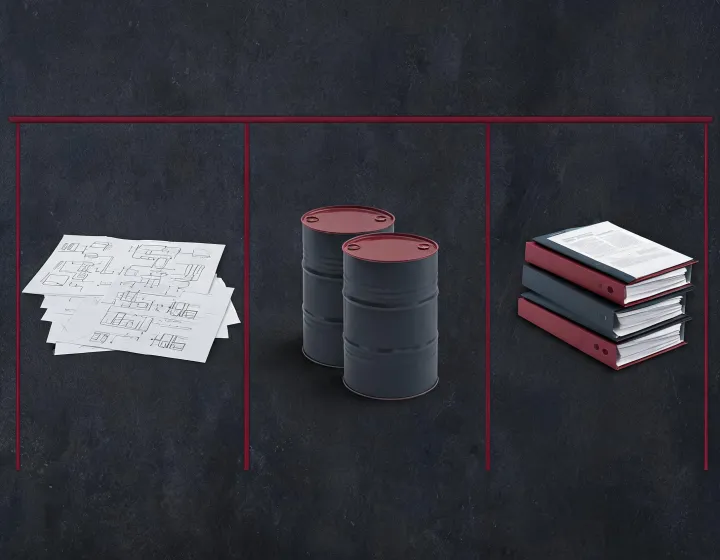
Application matrix
Context on the left, measurable RFQ fields on the right
Each row is a buyer context, not a claim that the sourced product will treat, preserve, or stabilize that system. Suitability stays with the buyer and qualified reviewers after exact-product data arrive.
| Context | What to write on the RFQ | What a manufacturer must still confirm |
|---|---|---|
| Diesel storage and distribution | Whether the inquiry is diesel biocide or diesel fuel biocide, treat-rate questions, water-bottom limits, and pack size the depot can receive. | Concentration, flash point, UN number, SDS for that concentration, and whether the quoted code matches the requested carrier. |
| Metalworking and industrial fluids | Fluid type, ionic type preference, trial versus forecast quantity, and any odor or residue questions. | Active content, pH, density, CoA fields, and pack compatibility with the receiving store. |
| Process water and utilities | Circuit description, residual limits if the site has them, and who will review identity after sampling. | Assay method, storage statement, transport class, and whether a related grade is being offered instead. |
| Coatings and in-can preservation | In-can versus dry-film intent, color or odor limits, and whether an alternate active is allowed. | Quoted active, solids content if relevant, TDS limits, and exact-product SDS revision. |
| Pulp, paper, or process additives | Addition point questions, quantity unit, and packaging that the mill can unload. | Grade identity, moisture or viscosity if requested, and documents bound to the mill-facing code. |
Manufacturer outreach uses these rows as questions. A plant brochure, ISO badge, or REACH statement copied from another product does not close a cell. If two manufacturers answer different concentrations, keep both lines and ask the buyer which line to continue.
Document gates by application
Files that change when the destination or circuit changes
Does the SDS travel with the quoted pack?
A drum SDS and a bulk SDS can differ. Ask for the file that matches net content and concentration headed to the US site.
Which CoA fields matter for this circuit?
Fuel programs may watch assay and water; coatings may watch color or pH. Name the fields instead of requesting an untitled certificate.
Is the TDS a purchase limit or a brochure?
Highlight the properties the buyer will accept or reject. Unmarked typical values should not be treated as guaranteed lot results.
Who reads transport data?
UN number, packing group, and flash point stay as manufacturer answers. The carrier and receiving site still apply their own rules.